



Artificial intelligence (AI) has officially entered the hospitality boardroom. From AI-powered guest personalization to robotic concierges, vendors are racing to position their technologies as the next competitive edge. But perhaps nowhere is the impact more immediate — and misunderstood — than in labor management.
Some hotel leaders wonder:
Is AI truly reshaping workforce operations, or is it just another overhyped tool in a crowded tech stack?
The answer lies in knowing where AI adds real value, where it’s still evolving, and how hoteliers can apply it without surrendering human oversight.
Where AI Is Driving Real Impact in Labor Management
AI isn’t replacing people — but it is transforming how managers plan, forecast, and react. Here’s where it’s proving genuinely useful:
1. AI-Powered Demand Forecasting
Historically, hotel labor forecasts relied on:
- Historical occupancy trends
- Manager intuition
- Static rules of thumb
Today, AI models can analyze:
- PMS, POS, and RMS data streams
- Event calendars and local holidays
- Weather forecasts
- Booking pace and channel mix
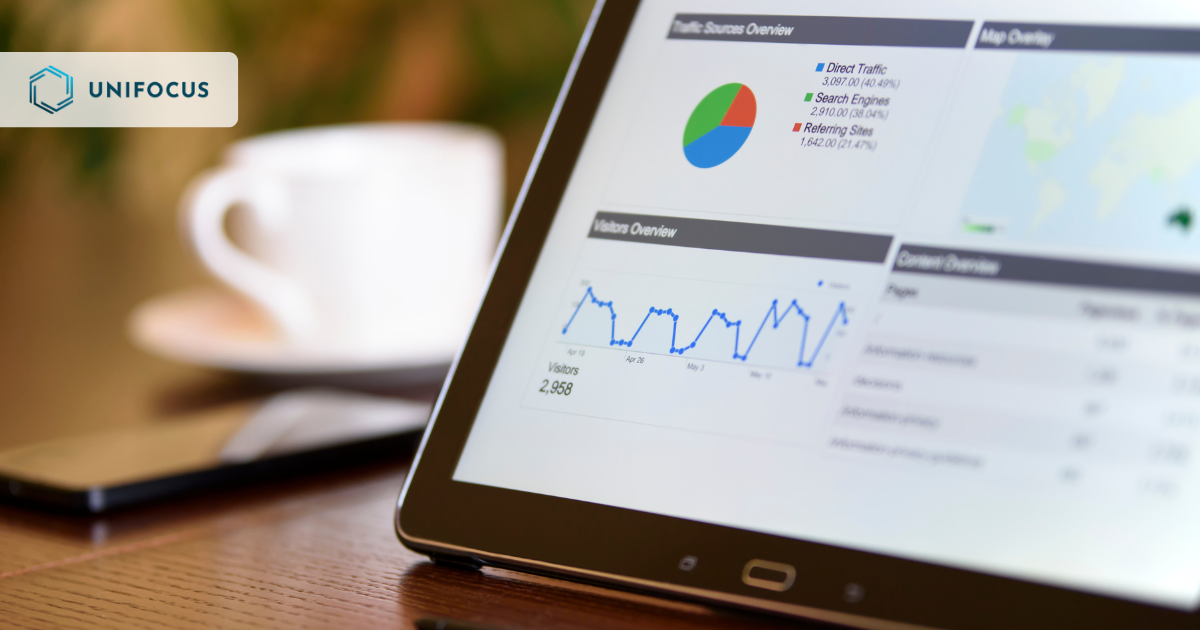
This multidimensional analysis leads to more granular, dynamic, and accurate labor forecasts — by department, daypart, and property.
2. Auto-Scheduling Based on Labor Standards
AI doesn’t just forecast — it recommends optimized shift plans that align with:
- Budgeted labor standards (e.g., rooms cleaned/hour)
- Legal rules and CBAs
- Team member availability and skills
- Business demand forecasts
This reduces scheduling errors and shortens the planning cycle from hours to minutes.
Benefit: Managers can review and tweak instead of building schedules from scratch — freeing up time for coaching and guest interaction.
3. Proactive Labor Risk Identification
Through pattern recognition and machine learning, AI can flag emerging risks like:
- Increased absenteeism in a department
- Overtime spikes by role
- No-show likelihood for certain shifts
- Underserved periods in upcoming schedules
These insights allow leaders to act before minor issues escalate into operational breakdowns.
Where AI Still Falls Short (for Now)
Despite its promise, AI isn’t magic — and has clear limitations in hospitality:
❌ Garbage In, Garbage Out
AI is only as good as the data it's trained on. Incomplete, outdated, or inconsistent data can produce:
- Incorrect forecasts
- Misaligned schedules
- Poor decision support
Tip: AI works best when connected to clean, centralized systems — like integrated PMS, POS, and workforce platforms.
❌ Lack of Explainability
AI models may predict overtime or suggest staffing changes — but they often can’t explain why in operational language. This can create trust issues for users.
❌ Inflexibility with Human Nuance
AI can’t:
- Resolve interpersonal conflicts
- Spot team morale shifts
- Manage exceptions in unionized or high-touch environments
- Adjust in emergencies (e.g., sick calls, VIP needs)
These are human decisions requiring context, empathy, and experience.
❌ Compliance Gaps
Labor laws vary by country, region, and even property. AI must be layered with logic engines that handle:
- Split shift penalties
- Break enforcement
- Minimum wage thresholds
- Holiday premiums
The Future Is AI-Augmented Management — Not AI-Only
The real opportunity isn’t AI versus humans — it’s AI plus humans.
Hotels that succeed will use AI to:
- Predict workload and labor cost impact
- Generate efficient base schedules
- Surface risks early for human review
- Reduce administrative burden
…while still empowering managers to:
- Interpret data
- Resolve guest-facing issues
- Build team culture
- Manage exceptions
This is AI-augmented workforce management — already used by leading hotel brands worldwide.
AI in hotel labor management, if used correctly, it enhances visibility, improves forecasting accuracy, and reduces cost waste.
Hotels that treat AI as a co-pilot — not a replacement — will have the edge in navigating today’s operational complexity and tomorrow’s workforce challenges.