

Adapting to a New Environment

Visit facebook Visit linkedin Visit twitter arroba
Adapting to a New Environment
Adapting to a new environment can be challenging, especially in the hospitality industry where trends and consumer behaviors are constantly evolving. With the recent changes in the business environment and travel market due to the pandemic, it has become even more critical for global hospitality companies to re-evaluate their strategies and find ways to deliver value to their shareholders.

Analyze

One of the first steps in adapting to a new environment is to analyze the current situation and identify the changes that have occurred. For instance, with the pandemic, there has been a shift in consumer behaviors, with more people looking for outdoor experiences, staycations, and flexible booking policies. Companies need to take these changes into account and adjust their strategies to meet the new demands of their customers.
One approach to delivering value to shareholders during these turbulent times is to focus on operational efficiencies. Rates have been pushed as high as they can go, so companies need to look for ways to increase revenue without increasing costs. This may involve streamlining operations, optimizing staffing levels, and investing in technology to improve productivity and customer service.

Explore New Revenue Streams

Another way to adapt to the new environment is to explore new revenue streams. For example, some companies have started offering work from hotel packages, catering to the growing demand for remote work and flexible office spaces. Others have started partnering with local businesses to offer curated experiences that showcase the best of the destination and support the local economy.

Be Agile

To successfully adapt to a new environment, global hospitality companies need to be agile and flexible in their thinking. This means being open to new ideas, taking calculated risks, and being willing to pivot quickly if something isn't working. It also means being proactive and staying ahead of trends, rather than being reactive and playing catch-up.
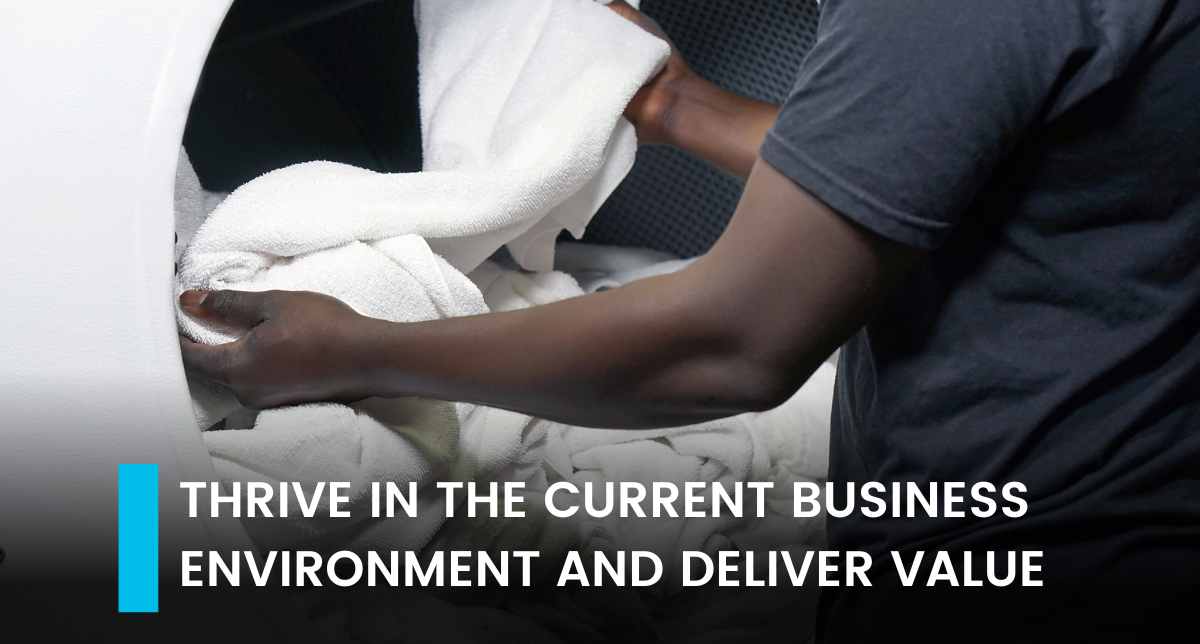
Companies need to have a clear vision and purpose that guides their decision-making. This means understanding what their brand stands for, what their customers expect from them, and how they can deliver value to all stakeholders, including shareholders, employees, and the wider community. By taking the time to understand the changes that have occurred, exploring new revenue streams, and focusing on operational efficiencies, global hospitality companies can thrive in the current business environment and deliver value to their shareholders.

Latest Articles

What Is Labor Standards Based Scheduling? A Guide For Hotel Operators

What Is Labor Standards Based Scheduling? A Guide For Hotel Operators

Discover how labor standards-based scheduling helps hotels improve workforce optimization, reduce costs, and elevate guest service. A must-...

A Hotelier’s Guide to Time and Attendance Compliance

A Hotelier’s Guide to Time and Attendance Compliance

Avoid costly compliance mistakes in your hotel’s time and attendance practices. Learn how to automate risk management and align with labor ...

Why Hotels Overspend on Labor — and How to Fix It

Why Hotels Overspend on Labor — and How to Fix It

Discover the root causes of labor overspending in hotels and how data-driven workforce optimization can reduce costs without sacrificing se...

One Suite. Every Solution.

See How Unifocus Labor Management Can Transform Your Operations

Whether you're managing a luxury resort, urban hotel, or multi-brand portfolio, Unifocus adapts to your needs. Start with one module or implement the full suite — and grow from there.

Workforce dashboard interface